


It is 2:17 a.m. The corridor outside the chamber is empty. A junior aide stands beneath unforgiving strip lights, phone glowing in his palm. A donor wants a regulation softened. A committee chair needs persuading. No cash changes hands. No statute is technically breached. The understanding is atmospheric, like humidity. Politics is not a debate club; it is a marketplace of leverage.
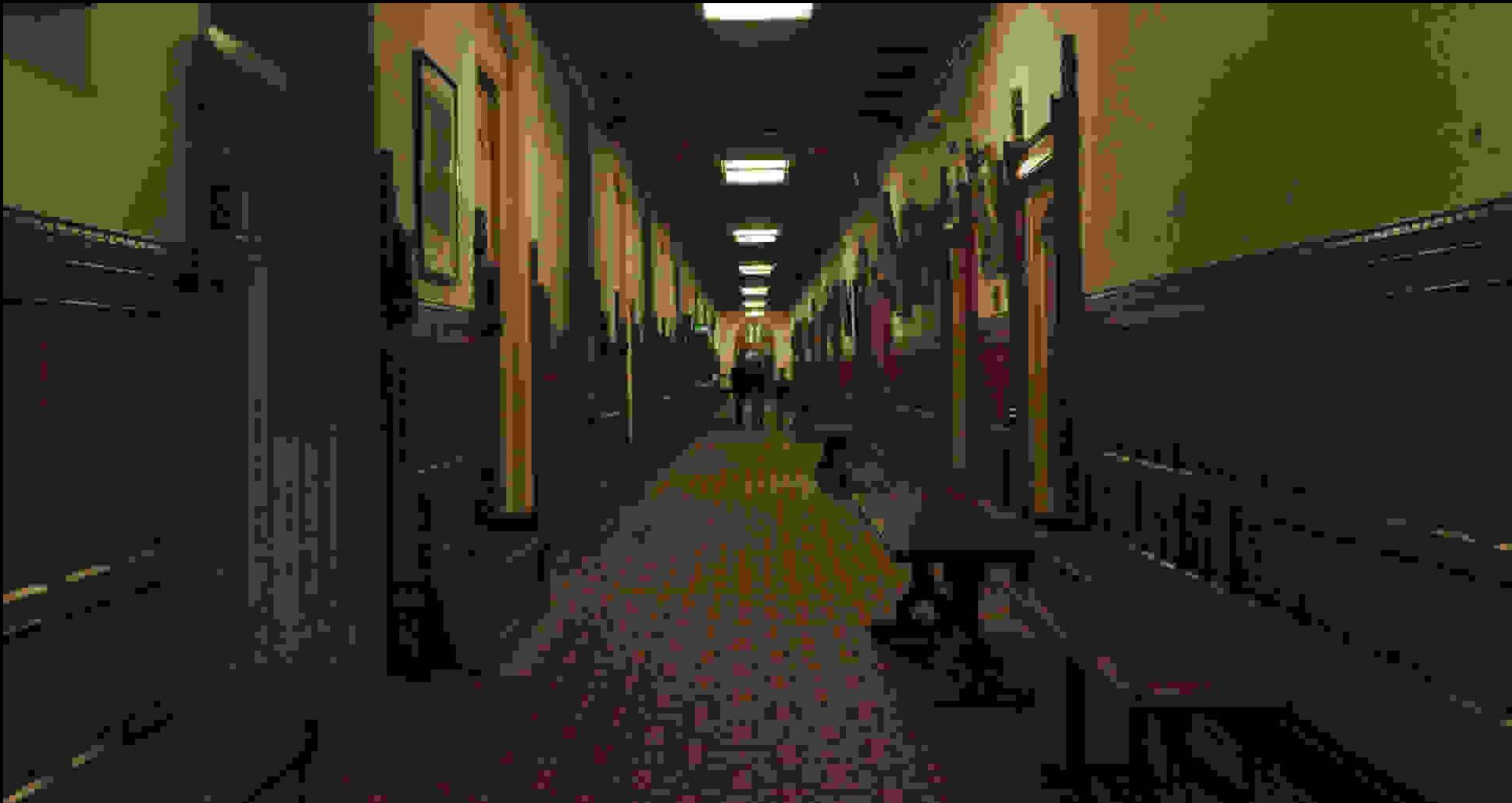
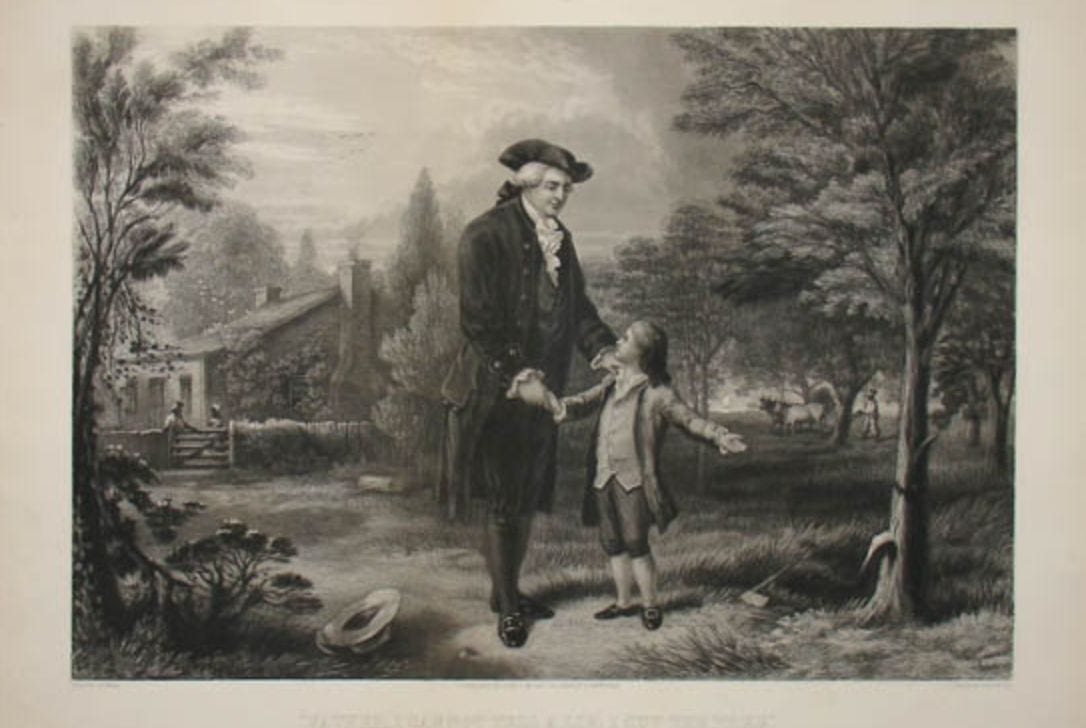
We prefer not to see this. We prefer the cherry tree.
Young George Washington, axe in hand, confessing: “I cannot tell a lie.” The story was fiction, invented to give a fragile republic a moral mascot. It endures because it is comforting. It tells us power can be clean. That authority and innocence can share a bed. It is the political equivalent of believing your bank “values your custom.”
Yet long before the bedtime story, there was Niccolò Machiavelli and The Prince. His advice was blunt: a ruler must learn how not to be good. Appear virtuous, certainly - but be prepared to discard virtue when it obstructs victory and keep a drawer marked Necessary Evils nearby. Politics was not about goodness. It was about survival. If Washington gave us the cherry tree, Machiavelli handed us the chainsaw.
For centuries we pretended to side with Washington while quietly photocopying Machiavelli.
Now we’ve stopped pretending.
Donald Trump did not run as a reformer scrubbed in antiseptic. He ran as a man who knew the sewer system intimately because he had swum in it. He had billed for the plumbing contract. His pitch was audacious: The system is corrupt. I know because I’ve exploited it. Elect me, and I’ll exploit it for you.
This was not hypocrisy. It was a devil’s bargain offered in plain sight or simply Trump selling the voter a franchise opportunity.
Voters watched as he blurred lines between public office and private business. They saw political events routed through his own properties, the Ukraine pressure campaign that led to impeachment, the classified documents saga that followed him out of office. To critics, these were glaring ethical failures. To supporters, they were proof of combat. He was not pretending to be clean. He was promising to be effective.
That is the pivot. We no longer demand the dutiful administrator. We crave the charming villain.
The administrator speaks of process, compliance, incremental reforms. He reads briefing papers. He files disclosures. He has never once described himself as “a disruptor.” He is, in short, unbearable.
The villain mocks the rules, ridicules the referees, and assures us the game was rigged anyway. He is entertaining. He is decisive. He does not file paperwork; he sets it on fire and calls it reform. He looks like he might actually win - or at least enjoy losing flamboyantly.

And we laugh. Because somewhere deep down we suspect the system is rigged. The rogue feels honest about dishonesty. The bureaucrat feels dishonest about virtue.
This is not just about one electorate. It is cultural. We binge antiheroes. We cheer criminals with codes. We distrust institutions so thoroughly that anyone loathed by them acquires glamour. Virtue feels naïve; ruthlessness feels adult.
Across Britain, the pattern rhymes. Nigel Farage has long cultivated insurgent swagger, brushing aside funding controversies and rule-bending accusations as establishment hysteria. Each brush with impropriety seems only to reinforce the brand. He is not house-trained. That is the point.
Meanwhile, the aftershocks of Jeffrey Epstein revealed how comfortably elites circulate among one another. The associations touching figures like Peter Mandelson and the catastrophic fallout for Prince Andrew exposed a world where access is currency and proximity is power. The scandal was less about ideology than about insulation - a class confident that consequences were negotiable.
Does that make every contemporary leader corrupt? No. Keir Starmer presents as the archetypal administrator: sober, procedural, lawyerly. But the very qualities that signal integrity to some signal bloodlessness to others. The man probably itemises his conscience. But in an age electrified by outrage, probity can look like weakness. The honest man risks appearing like he has brought a spreadsheet to a knife fight. He appears unequipped for a dirty arena.
So we face an uncomfortable possibility: it is not merely that politicians have changed. It is that we have.
If the public believes the system is irredeemably compromised, then the honest candidate sounds deluded. Promising purity feels like another lie. Better, perhaps, the rogue who admits the rot and offers to weaponise it on our behalf.
This is corruption’s rebrand. No longer envelopes in car parks - too retro. Now it is reframed as strategy. The late-night favour is not shameful; it is savvy. The conflict of interest is not disqualifying; it is proof you know where the levers are.
We binge antiheroes. We distrust institutions. We applaud disruption even when we’re not entirely sure what has been disrupted. Integrity feels quaint. Ruthlessness feels adult.
Can an honest man be a politician? Perhaps. But can he win in a culture that equates decency with weakness?
At 2:17 a.m., in that corridor, the aide still hesitates before replying to the donor’s message. There is always a flicker - a small, unfashionable pause - when the cherry tree and The Prince compete.
The real question is not which philosophy our leaders choose.
It is which one makes us clap.