


In the closing weeks of the campaign, Donald Trump begged Republican voters to “pretend he was on the ballot”. Americans, an obliging people, did precisely that and then crossed him off. Democrats now control both chambers of Congress. They flipped Senate seats in North Carolina, South Carolina, Ohio, Texas, Kansas, Iowa and Maine, a list that reads less like a battleground map than a Republican hymn sheet set on fire. By Wednesday morning they had 228 House seats and 54 in the Senate. In British terms, it is as if the Conservatives had lost Surrey, the Cotswolds and the Telegraph letters page in a single evening.
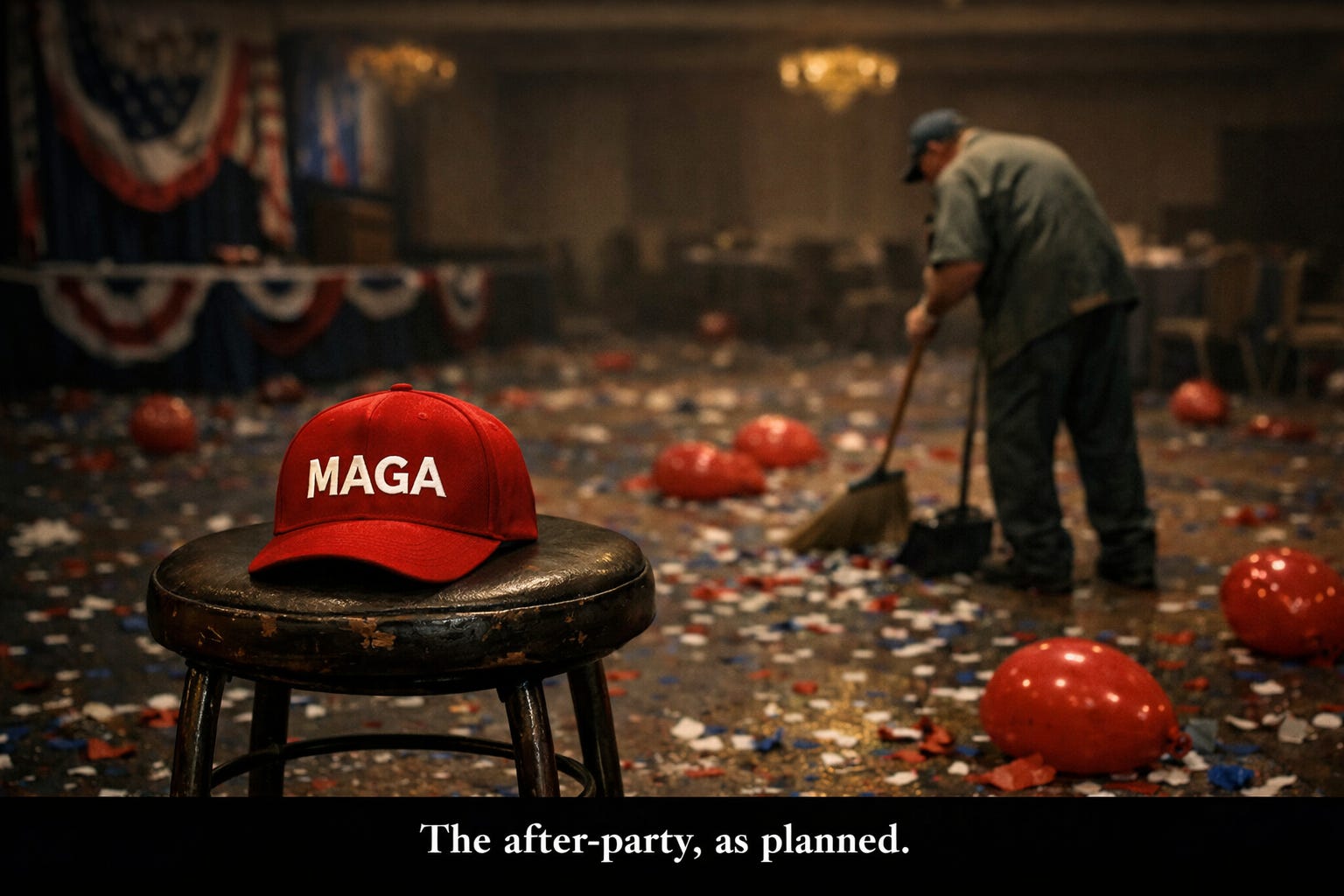
The scale is historic. The result may be the largest popular-vote win for either party since 1976. Not since 2006 has the minority party taken both chambers on one night. Democrats pushed deep into the heart of MAGA country, far beyond anything they managed in 2018. Forty-three per cent of voters told NBC’s exit poll that opposing Trump was one reason for their vote. When a man makes an election about himself, he really shouldn’t be surprised when it is.
Then there is Texas, the state Republicans regarded as the political equivalent of the Bank of England’s gold vault. Democrat Gina Hinojosa unseated Greg Abbott to become Texas’s first Democratic governor since 1995. James Talarico won the Senate race. Nathan Johnson captured the attorney general’s office, just to rub it in. Abbott had beaten his last three opponents by double digits. This time he trailed by around 14 points when the race was called. The Alamo has seen less comprehensive defeats.
Trump’s loyalty to his allies proved as durable as a paper umbrella. On polling day itself, he hailed Abbott as “strong and highly respected”. Within hours of Abbott’s concession, Trump was on Truth Social explaining that the governor had lost because he became a “RINO” in the last six months of his political life. That is roughly the shelf life of an endorsement from the President: shorter than a pint of milk, and considerably more likely to curdle.
In fairness to Trump, Abbott had seen this coming. Last month he skipped the President’s San Antonio rally, claiming he was too busy. He was right: he was busy losing.
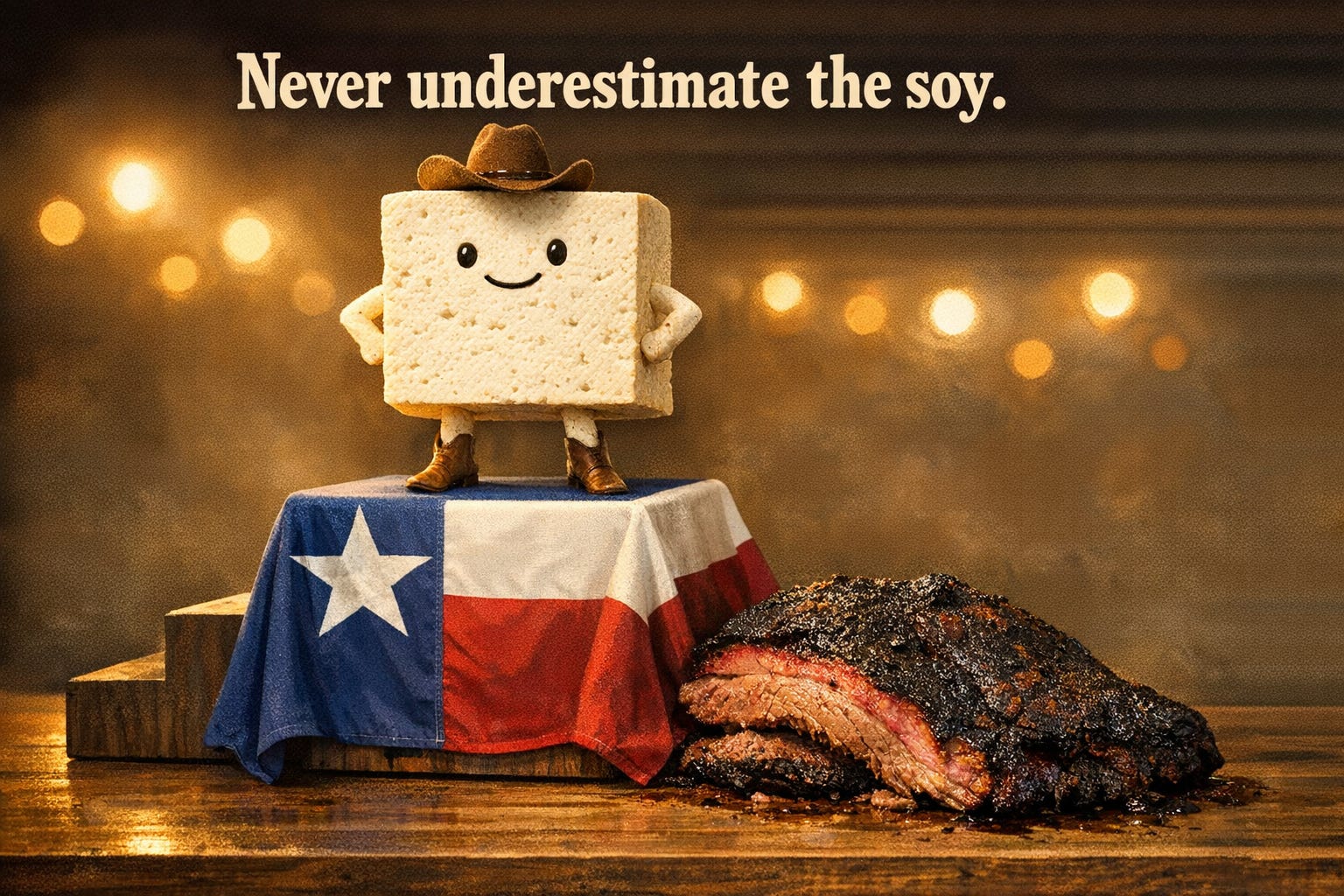
But the comic jewel of the Lone Star State is Ken Paxton. In the primary, he christened his Democratic opponent “Tofu Talarico”, along with “Low-T Talarico” and other playground classics. On Tuesday, the bean curd won. Paxton once called Trump’s endorsement the most powerful force in politics. Texan voters appear to have identified a more powerful one: Texan voters.
Much of this damage was home-made. In a number of these states, Trump personally picked the nominees, sometimes over the objections of Republicans who warned they would be weak in a general election. Once again the President assembled his own catastrophe from the kit, ignored the instructions and blamed the Allen key.
Which brings us to the $5,000 question. Back in September, Trump promised every adult a “Trump Dividend”, but only if Republicans won both chambers. The bill would have come to about $1.2 trillion, and he never had the power to pay it without Congress anyway. Ohio Senator Bernie Moreno had promised a bill to pass it immediately after 3 November. He will now need a bill to explain where it went.
The dividend was hardly the only bargain on offer. Trump also told voters that oil prices would come tumbling down right after the election, and floated renaming the Strait of Hormuz after himself. He had previously promised $2,000 tariff dividends and a DOGE dividend, and neither ever reached a single bank account. Americans have now learned what every British commuter knows about rail refunds: the money is always coming, and it never arrives.
Republicans have their defence. Speaker Mike Johnson argued that holding the House would have meant defying more than a century of midterm history, and he has a point. Presidents almost always get kicked in midterms, and Democrats needed to flip only a net three seats. But history does not usually hand Kansas, South Carolina and the governorship of Texas to the other side. That is not a historical trend. It is a telegram.
What now? Trump has vowed to veto anything Democrats send him, and Democrats have vowed aggressive oversight of his family’s business dealings and his White House renovations. The new Senate can block his nominees, Supreme Court picks included. Chuck Schumer promised voters that “relief is on the way”. Realistically, with a veto pen waiting in the Oval Office, Democrats’ affordability agenda may end up as a 2028 campaign brochure rather than actual relief. Two years of trench warfare beckon, with the ballroom renovation as no man’s land.
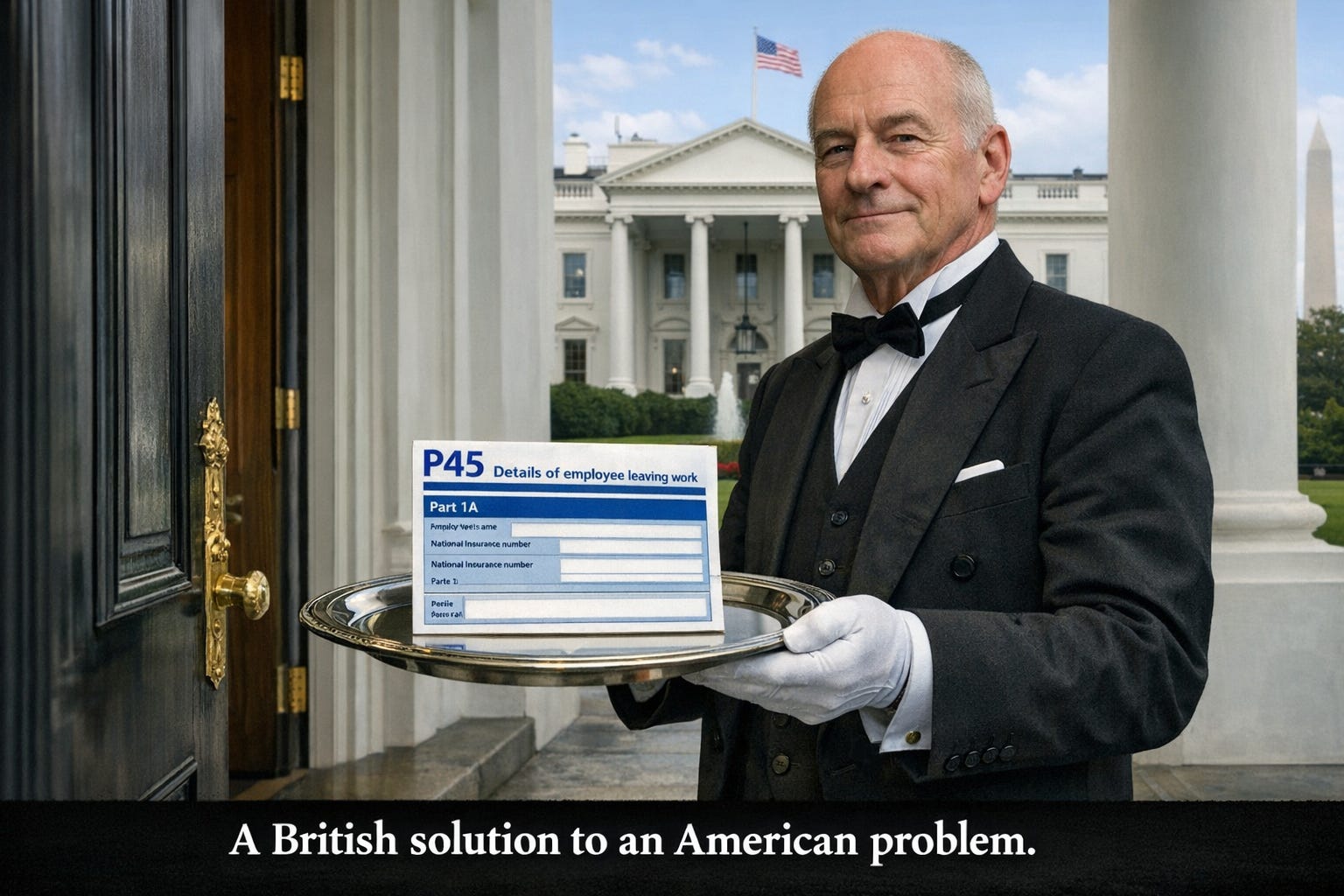
Britain, meanwhile, watches with a knowing smirk. Labour faced the same cost-of-living fury, Reform led nearly every poll for more than a year, and the party quietly removed the unpopular Keir Starmer and installed Andy Burnham. Within a week, Labour had caught or overtaken Reform in the polls. The British method is cold-blooded and unsentimental: sack your leader before the voters sack your party. Republicans never had that option. Their leader was the party, so voters dismissed the lot.
The American constitution wisely allows no such Westminster-style knifing, so the President serves out his term. He has two years, a veto pen and a hostile Congress, and on Tuesday he lost a vote on himself. America’s lamest duck now quacks alone.
Keep up to date with The Letts Journal’s latest news stories and posts at our website and on twitter.